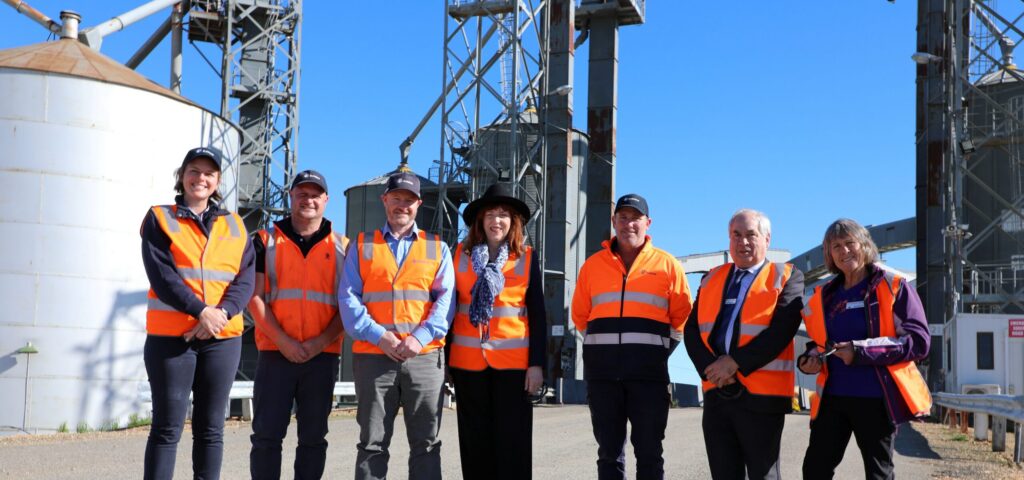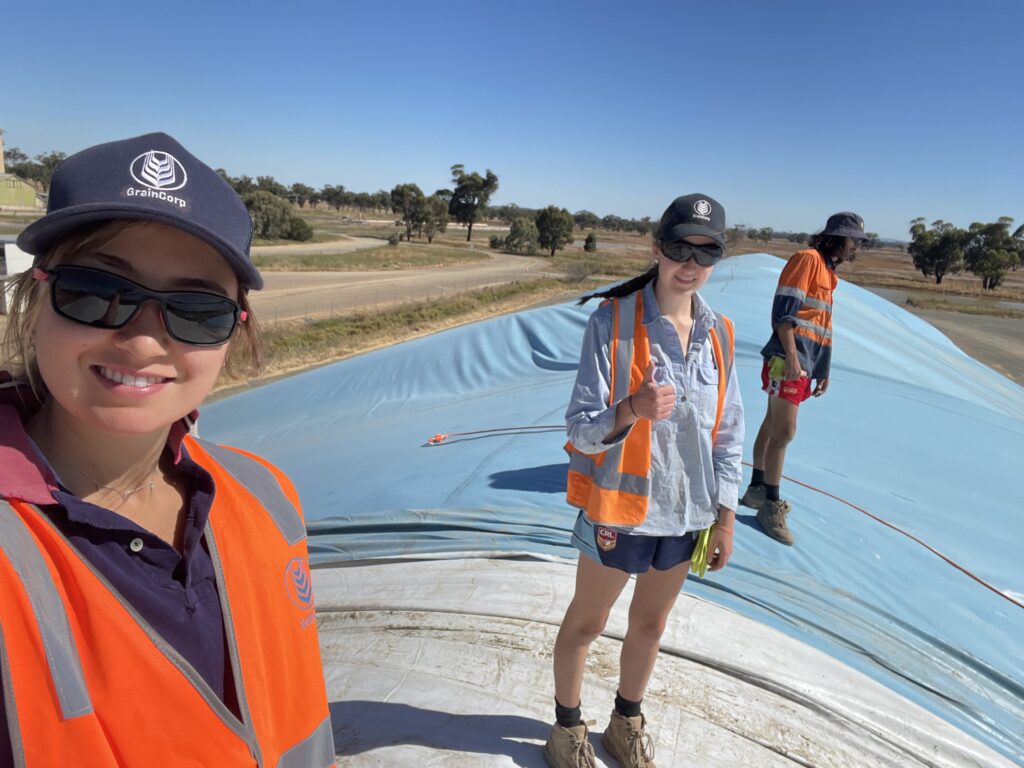
GrainCorp has today released a new white paper highlighting Australia’s readiness to build a domestic Sustainable Aviation Fuel (SAF) industry, as the Federal Government prepares to consult on a demand-side measure to stimulate investment in refining capacity.
Titled From Paddock to Plane: Feedstock White Paper, the white paper sets out a clear and practical pathway for Australia to leverage existing agricultural and waste-based feedstocks to build a globally competitive SAF industry.
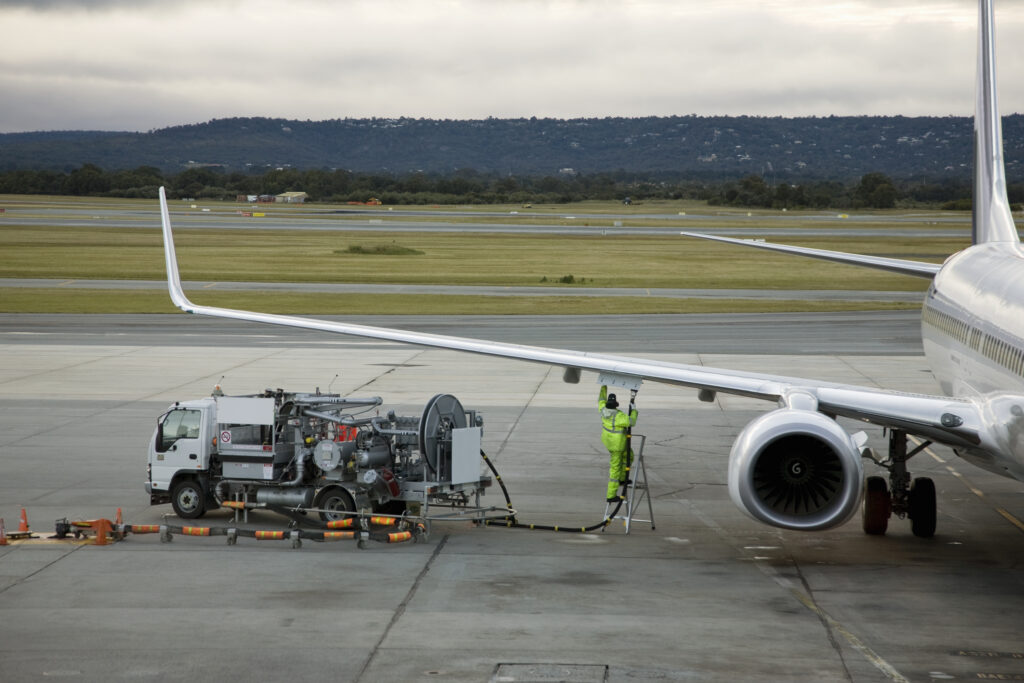
The release comes at a critical time for Australia’s energy resilience. Heightened disruption in the Strait of Hormuz has highlighted the nation’s reliance on imported liquid fuels, with around 90 per cent of domestic fuel demand sourced from overseas and limited onshore aviation fuel reserves.
Developed as part of GrainCorp’s role on the Federal Government’s Jet Zero Council, the white paper finds that Australia’s SAF opportunity is not constrained by feedstock availability, but by the need for investment, policy settings and market signals.
The paper also highlights that existing feedstocks could support SAF production equivalent to 117 per cent of Australia’s projected jet fuel demand in 2030, rising further as new feedstocks and technologies emerge.
GrainCorp Managing Director & CEO Robert Spurway said the findings demonstrate Australia’s ability to secure its aviation future could begin immediately.
“Australia’s competitive advantage begins in the paddock, and it’s an advantage we can act on now,” Mr Spurway said.
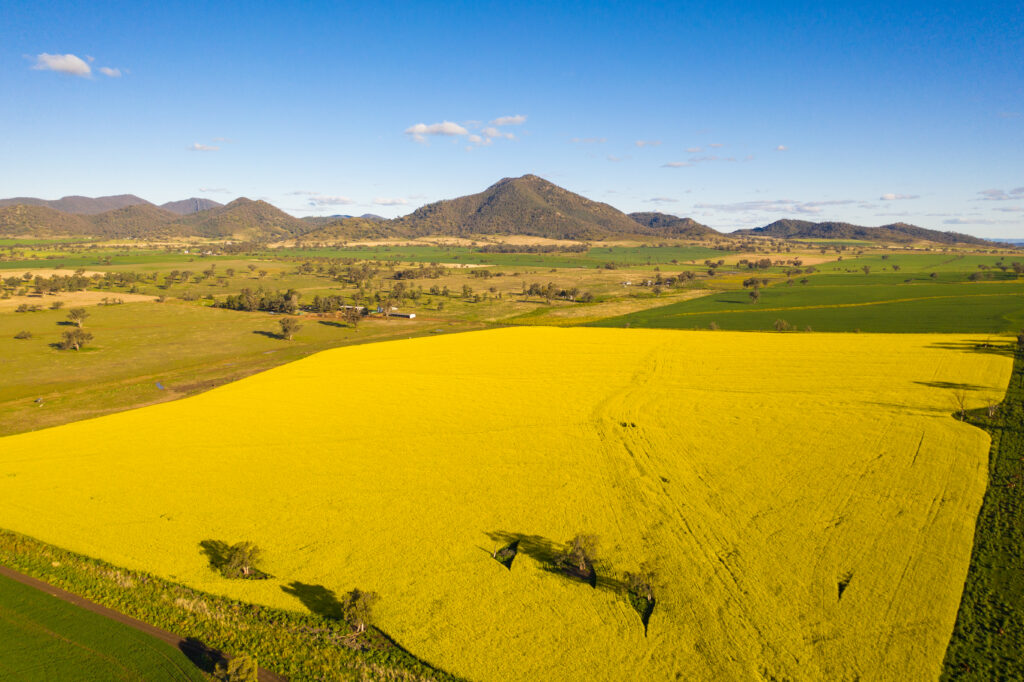
“We already produce the feedstocks needed to underpin a domestic SAF industry, including canola, tallow and used cooking oil, supported by established infrastructure, expertise and supply chains.
“The challenge is that those feedstocks are currently undervalued and largely exported, leaving the country reliant on imported fuel.
“Australian growers can play a central role in strengthening the nation’s fuel supply using crops we already produce – but like any industry, they need clear market signals to make long-term commercial decisions.”
Mr Spurway said coordinated policy settings will be critical to unlock investment across the full supply chain.
“The Federal Government has recognised the importance of developing our domestic capacity, and the forthcoming consultation on a demand-side measure is an important step toward providing the certainty needed to attract investment in refining capacity.
“With the right policy framework, Australia can scale refining capacity, reduce reliance on imported fuels and build a globally competitive SAF industry.”
The white paper outlines a practical three-stage pathway for industry development:
- Start with existing feedstocks produced at scale, such as canola, tallow and used cooking oil
- Scale through expanded feedstock supply, improved crop yields and developments
- Optimise through next-generation feedstocks and refining technologies to capture long-term value.
Australia’s extensive feedstock base spans canola, sugarcane, wheat, used cooking oil, municipal solid waste, tallow, crop residues, forestry by-products, and emerging sources such as carinata, pongamia, perennials and algae.
With aviation fuel demand expected to reach approximately 14 billion litres annually by 2050, the white paper finds that domestic SAF industry represents a critical opportunity to capture long-term national value.
GrainCorp is already working with industry partners, including Ampol and IFM Investors under a Memorandum of Understanding announced in 2024, to explore the establishment of Australia’s largest liquid fuel manufacturing project that draws upon GrainCorp’s feedstock origination and supply chain capabilities.
Key Findings from the Whitepaper
- Australia’s SAF opportunity is defined by its feedstock base: Australia already produces the agricultural and waste-based feedstocks required to underpin a domestic SAF industry. The key challenge is capturing, coordinating and retaining these feedstocks within the Australian supply chain.
- Existing feedstocks can kickstart a SAF industry now: With the right policy settings, existing feedstocks such as canola, used cooking oil and sugarcane could support SAF production equivalent to 117% of projected 2030 jet fuel demand. This rises to 126% of by 2050 with further development.
- Domestic feedstock utilisation strengthens fuel security: Expanding domestic processing would reduce Australia’s resilience on imported refined fuels, and improve resilience to global supply disruptions.
- A staged pathway enables long-term industry growth: A domestic SAF industry can be built progressively, starting with existing feedstocks, scaling through new crop development, and optimising through next-generation technologies.
- Regional Australia stands to benefit: A domestic SAF industry could support more than 18,000 jobs and contribute approximately $36 billion to the economy, with benefits flowing directly to regional communities.
Quotes attributable to Qantas Chief Sustainability Officer Fiona Messent:
“SAF is the most effective solution we have to reduce aviation emissions and improve our fuel security, and this study is further evidence that Australia has the feedstock and industry needed to build supply at scale.
“We just need policy and industry to move together. We welcome the government’s recent commitments to support SAF development and look forward to working with industry and government to get the balance of demand and supply-side policy right, building an Australian SAF industry alongside a thriving aviation sector.”
Quotes attributable to Sydney Airport CEO Scott Charlton:
“Australia is one of the world’s largest canola producers, much of it produced right here in NSW, yet our feedstock is sent overseas for processing. We have an opportunity to keep the value here by turning Australian-grown feedstocks into fuel closer to home.
“Passenger numbers are expected to almost double over the next 20 years, creating a significant opportunity to power more of that growth with home-grown Sustainable Aviation Fuel, supporting industry, creating regional jobs and strengthening our fuel security.”
Quotes attributable to GrainGrowers Limited Chair Rhys Turton:
“The development of a domestic sustainable aviation fuel industry presents a significant opportunity for Australian grain growers, creating a valuable new source of demand for agricultural feedstocks while supporting regional development and reducing reliance on imported fuels.”
Quotes attributable to IFM Investors Global Head of Asset Management Danny Elia:
“Through our MoU with GrainCorp and Ampol, we are exploring opportunities to build domestic renewable fuels production that can help support Australia’s long-term fuel security.
“Across the supply chain, we have an opportunity to reduce reliance on imported fuels and work towards a new Australian industry built on local expertise, agriculture, and infrastructure.
“IFM Investors invests in airports across Australia and setting up a domestic renewable fuels industry is part of our long-term strategy to protect and grow the retirement savings of Australian workers.”
Read GrainCorp’s SAF Feedstock White Paper, here: https://energy.graincorp.com.au/wp-content/uploads/2026/07/From-Paddock-to-Plane-SAF-Feedstock-White-Paper.pdf.