A shared passion
Harvest update – 23/11/20
July 28, 2020

Grain receivals (tonnes) at GrainCorp’s sites as at 23 November 2020

Since 16 November 2020Total
Queensland23,000921,300
New South Wales1,742,1205,438,600
Victoria614,000914,600
Total grain receivals2,379,1207,274,500

COMMENTARY:

• Some NSW sites have taken record receivals and additional bunker storage is being arranged in some north-west parts of the state.
• Rain events in NSW and VIC have delayed receival activity, particularly in southern-most sites.
• Harvest workers moving south with the season to assist with receivals in southern NSW and VIC.
• Quality has been consistent across the commodities, thanks to a good finish to Spring weather.
• 2-Day Payment terms, Secured Payments via CropConnect, up to 90 days of free storage, all available on GrainCorp’s Season Update website.
Media enquiries.

Sophie Harrison

Media & Communications Manager

Related articles

Media Releases
GrainCorp welcomes National Bioenergy Feedstock Strategy to support Australia’s sovereign fuel capability

GrainCorp welcomes National Bioenergy Feedstock Strategy to support Australia’s sovereign fuel capability

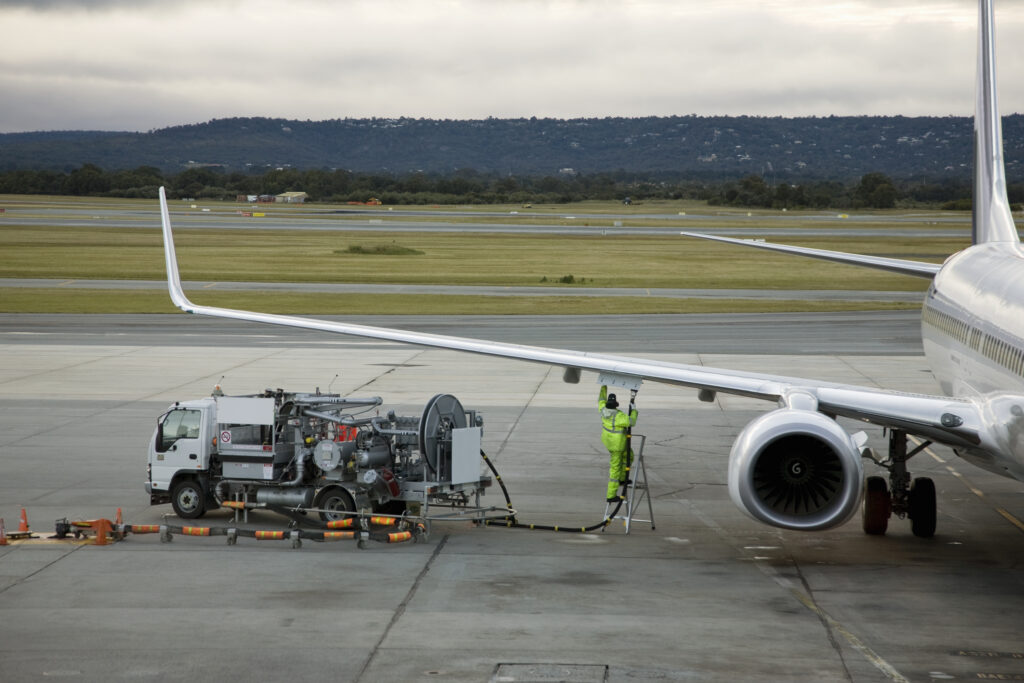
GrainCorp has welcomed the Australian Government’s National Bioenergy Feedstock Strategy, describing it as an important step forward for growing Australia’s bioenergy feedstock industry and strengthening the foundations for sovereign low-carbon liquid fuel (LCLF) production.

Media ReleasesSubmissions
GrainCorp, Ampol and IFM Investors welcome consultation targeting demand-side certainty for low carbon liquid fuels to help kickstart Australian renewable fuels production

GrainCorp, Ampol and IFM Investors welcome consultation targeting demand-side certainty for low carbon liquid fuels to help kickstart Australian renewable fuels production

IFM Investors, Ampol and GrainCorp have welcomed the Australian Government's release of its Securing Australia's Cleaner Fuels Industry Consultation Paper on establishing a demand-side framework for low carbon liquid fuels, describing it as a critical step towards building a domestic renewable fuels supply chain.