Growers across Australia are looking to the skies as the 2025/26 winter crop harvest edges ever closer – but one region is kicking off before all the rest.
In Central Queensland (CQ), the very early stages of the chickpea harvest has commenced and is expected to slowly ramp up in coming weeks.
The region is the first in the country to deliver winter grains – and one of the few with two distinct harvest windows, separated by a much shorter turnaround than in other growing areas.
Summer crop (sorghum) receivals continue through August, while winter crops like chickpeas and wheat arrive less than a month later – a rapid transition that makes CQ so unique.
So, how does the GrainCorp network prepare for such a fast turnaround? And how does it keep grain moving through its CQ ports while preparing for the next crop?
Ports ready for the challenge
Last year, GrainCorp’s Mackay and Gladstone ports handled more than half a million tonnes of exports between them.
Sorghum typically moves through the ports from June to September, followed by chickpeas and wheat from October to February.
“CQ growers get two stabs at the pie,” says GrainCorp’s Port Operations Manager at Gladstone, Matt D’Arcy. “They can plant and export at two different times of the year, which helps spread the flow and ease pressure on port capacity.”
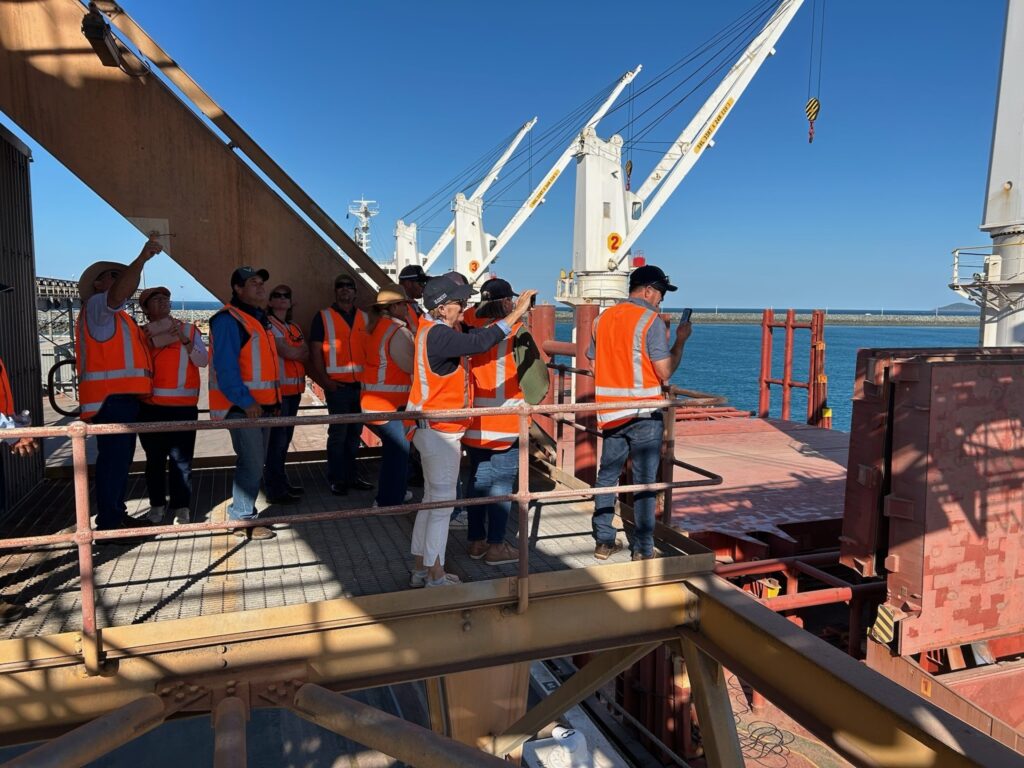
Gladstone and Mackay each bring complementary infrastructure: they have permanent bunkers, stackers, loaders and silo storage, with Mackay even an asphalt bunker.
Both ports have rail access, supported by consistent rail asset allocation over the past two-three years – giving CQ growers flexible, efficient pathways to export.
Sean Black, GrainCorp’s Site Manager at Mackay, says planning is already well underway before the next harvest intake begins.
“We’re always forecasting volumes, staffing up and making sure our infrastructure is ready.
“In really good years, we open the bunkers up to receive direct from the growers, store at port and move straight onto vessels – it keeps everything efficient,” Sean says.

Maintaining quality for premium markets
Like all GrainCorp ports, CQ ports maintain strict quality standards to meet the expectations of international buyers, particularly in Asia and the Middle East, where specifications often exceed national standards.
National Ports Manager Jeff Moodie explains that maintaining an export establishment that handles wheat, chickpeas and sorghum demands a massive focus on quality and hygiene.
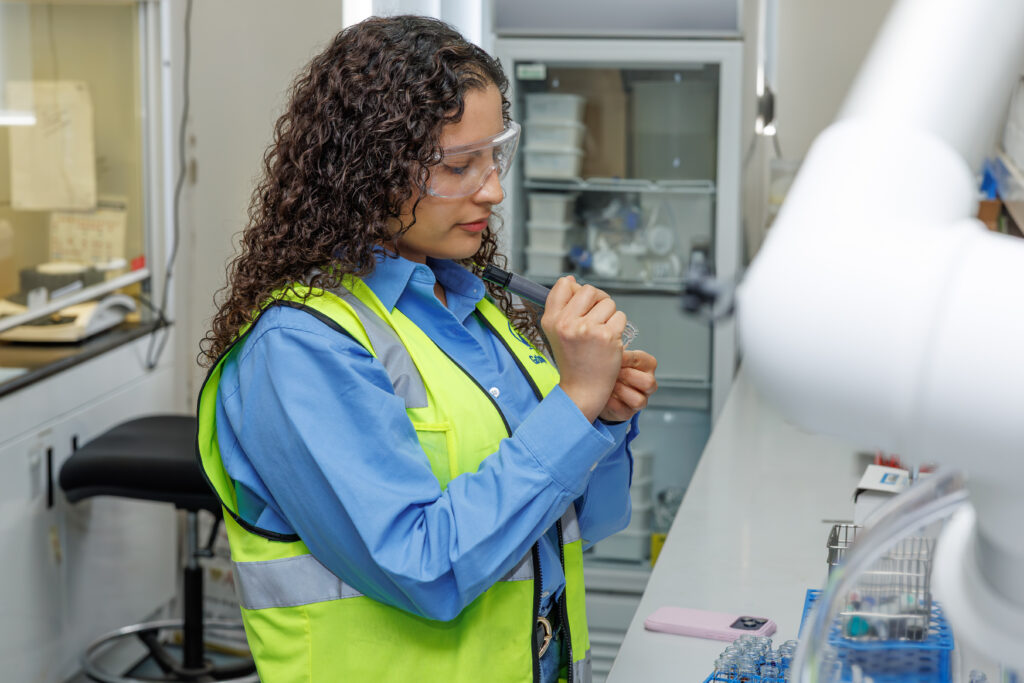
“All grain is sampled on intake to the terminal and again when loaded to the vessel,” Jeff explains.
“Harvest of each commodity is seasonal, but exporting can happen year-round, so keeping the terminals in a clean state is vital.”
He adds: “It’s a credit to growers that we continue to hit those benchmarks, and ensures we can position their grain to the best possible market.”
CQ: GrainCorp’s chickpea capital
Australian chickpea production last season was among the highest since 2016-17, thanks to India temporarily lifting import tariffs.
For GrainCorp, CQ emerged as the largest receival zone – coming in just ahead of northern NSW.
“We had a great run from our CQ ports with chickpeas to India,” says Senior Trader Luke OConnor.
“The network went so hard we practically emptied the cupboard – there were hardly any chickpeas left in the system.”
Across Australia, the supply chain moved more than 1.9 million tonnes – virtually the entire chickpea crop – before the tariff deadline.
While India has since reinstated a 10 per cent tariff, the Australian supply chain has shown it can perform under pressure and port efficiency is a critical piece of that puzzle.
Looking ahead
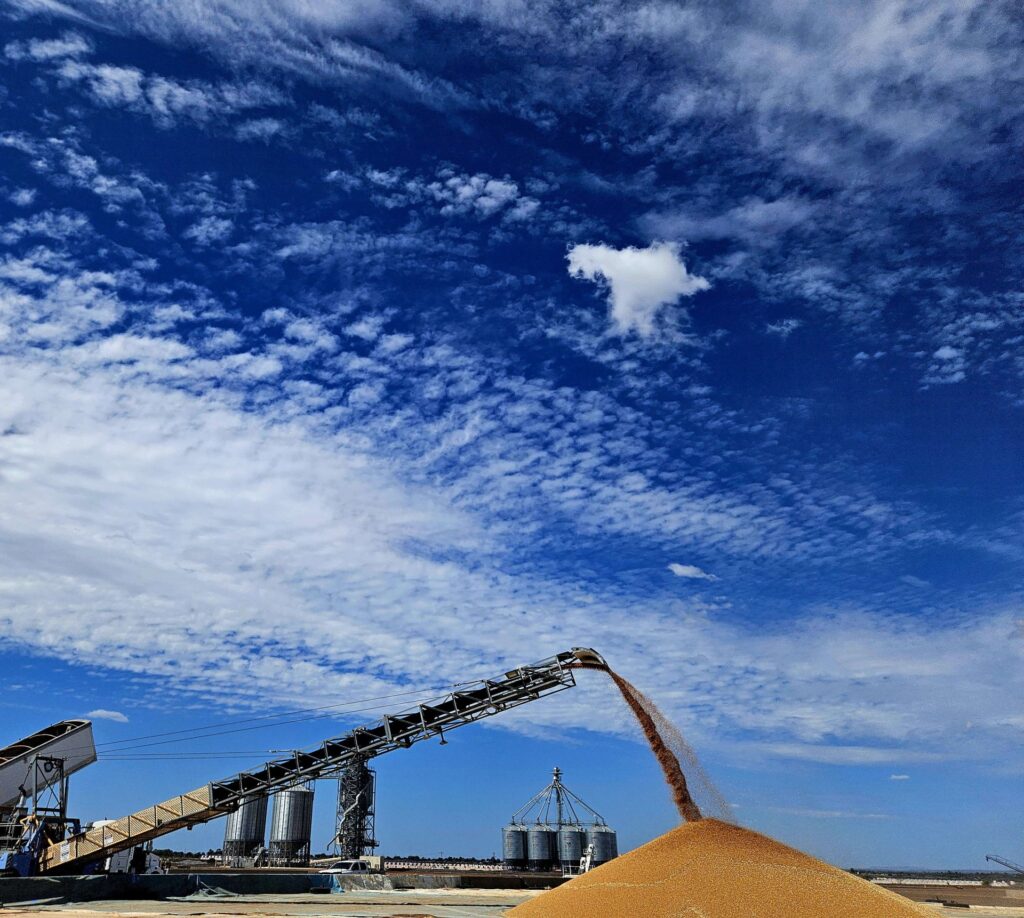
As the first winter harvest gets underway in CQ, attention will soon shift south, with harvest in southern Queensland and northern NSW expected by early October.
With the Bureau of Meteorology forecasting a wetter-than-usual spring, growers and supply chain operators alike will be keeping a close eye on the skies.
And in CQ, GrainCorp’s ports are once again set to prove their strategic importance – managing one of the fastest and most complex harvest transitions in the country.